Mellisa: A Script Handwritten Font with Swashy Charm
There’s something about a blank brand board that feels like the start of a creative journey. I was recently working on a boutique identity project for a local handmade shop, and I found myself staring at a fresh canvas, wondering which font would best capture the personality of the brand. That’s when I pulled out Mellisa—a Script Handwritten font packed with lots of swashes—and decided to test it on a logo concept. What followed wasn’t just a font choice; it was a design moment that reminded me why typography matters.
Mellisa for Branding Projects with a Personal Touch
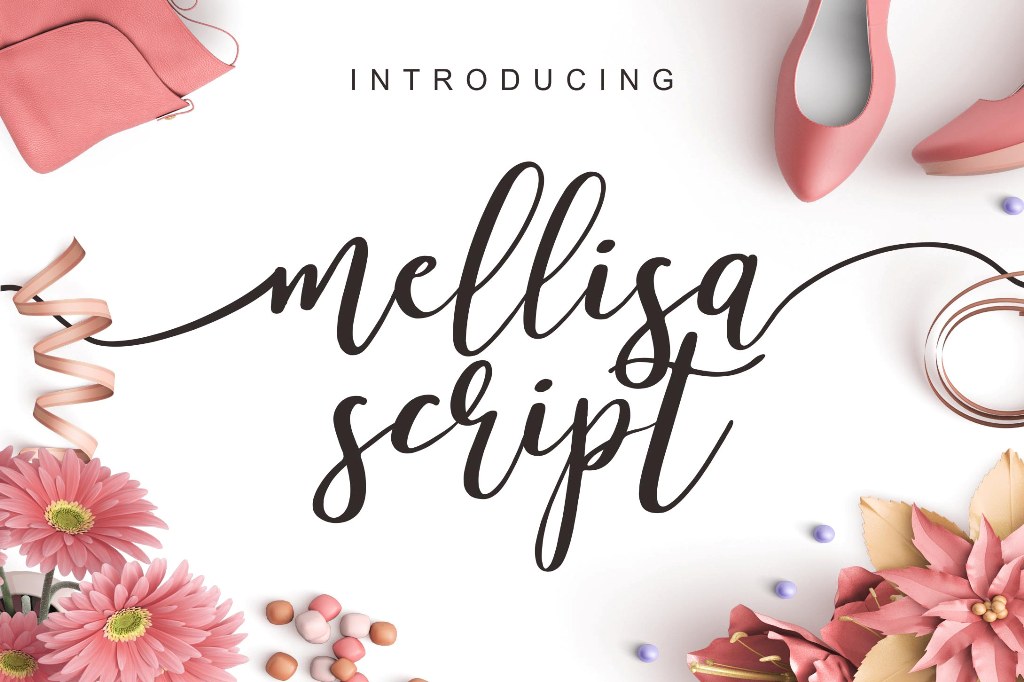
Mellisa is a Script Handwritten font that brings a sense of warmth and individuality to any design. As I placed it on the logo draft for the handmade shop, I immediately noticed its unique flair. The swashes are bold and expressive, giving the text an elegant yet playful feel. It’s the kind of font that feels hand-crafted rather than machine-made, making it perfect for brands that want to convey authenticity and creativity.
When I compared Mellisa with other Script Handwritten fonts, I found it stood out for its consistent stroke weight and clean letterforms. It doesn’t overwhelm the eye, even when used in larger sizes. This made it ideal for the shop’s branding materials, from business cards to packaging mockups. It added a personal touch without sacrificing readability, which is a rare balance in Script Handwritten Fonts.
Mellisa for Social Media Graphics and Website Headers
One of the first things I tested Mellisa for was a social media layout. I wanted a font that could stand out on Instagram and Facebook while still feeling approachable. Mellisa worked beautifully in this context. Its swashes and flourishes gave the headlines a distinctive look, helping the brand stand out in a sea of content. It also performed well on website headers, where it maintained its character without becoming too distracting.
I found that Mellisa is especially effective when used as a headline or display font. Its decorative elements add visual interest, but they don’t interfere with legibility. This makes it a great choice for short phrases, taglines, or promotional copy. When paired with a sans serif font for body text, it creates a nice contrast that enhances readability and keeps the design balanced.
Mellisa for Packaging Design and Product Labels
Another use case I explored was packaging design. For a skincare product line, I needed a font that felt both elegant and approachable. Mellisa fit the bill perfectly. Its script style added a touch of sophistication, while the swashes gave it a sense of movement that felt natural on product labels.
I also tested Mellisa on a bakery packaging mockup. The font’s flowing lines complemented the organic shapes of the packaging, creating a cohesive visual language. However, I did notice that in smaller sizes, some of the swashes became less distinct. This is something to keep in mind if you’re using Mellisa for long body text or very small print applications.
Mellisa for Logo Design and Brand Identity
Logo design is one of the most critical aspects of branding, and Mellisa proved to be a versatile choice. When I first applied it to the handmade shop’s logo, I was struck by how it captured the brand’s essence—warm, creative, and artisanal. The swashes added a sense of motion and energy that felt right for the brand’s identity.
However, I also considered how Mellisa might perform in more formal contexts. While it’s a Script Handwritten font, it’s not overly ornate or difficult to read. This makes it suitable for a range of applications, from logos to brand boards. I recommend testing it in different sizes and formats before finalizing your design, especially if you plan to use it in both digital and print environments.
Mellisa for Editorial and Commercial Design Assets
As a designer, I often find myself working on editorial and commercial design assets, and Mellisa has proven to be a valuable tool in those spaces. Whether it’s a poster, flyer, or magazine cover, the font adds a level of personality that can elevate the overall design.
I also experimented with pairing Mellisa with other fonts to create a more dynamic typographic system. When combined with a serif font for body text, it created a nice contrast that enhanced the visual hierarchy. For web design projects, I found that Mellisa works well as a heading font, especially when paired with a modern sans serif for supporting text.
It’s worth noting that Mellisa includes several styles, alternates, and ligatures that can help you customize your designs further. These features make it a flexible option for designers who need a bit more control over their typography. Additionally, the font supports multiple languages, which is a bonus for international clients or multilingual projects.
Testing Mellisa Before Final Use
Before using any font in client work, I always recommend testing it in different contexts. For Mellisa, I suggest checking how it looks on a variety of platforms, including websites, social media posts, printed materials, and merchandise. Pay attention to how it performs in small sizes, long body text, and across different backgrounds.
If you’re planning to use Mellisa in a commercial setting, make sure to review the licensing terms carefully. Some fonts have restrictions on how they can be used in brand identity, packaging, or digital products. Always ensure that the font is appropriate for your specific project and that you’re using it in compliance with the license agreement.
Ultimately, Mellisa is a Script Handwritten font that offers a unique blend of elegance and personality. Whether you’re designing a logo, branding materials, or social media graphics, it has the potential to enhance your creative work in meaningful ways. With its expressive swashes and versatile style, Mellisa is a great addition to any designer’s toolkit.